
What You Actually Do
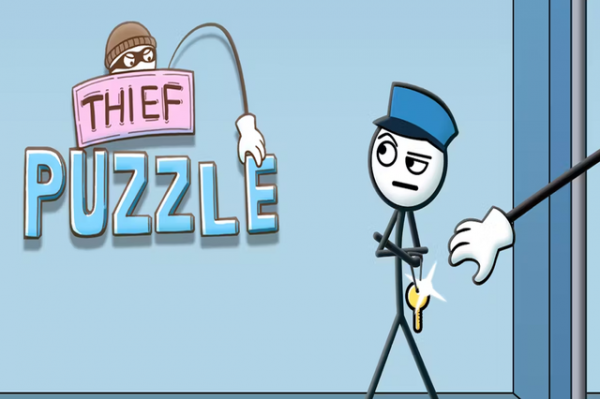
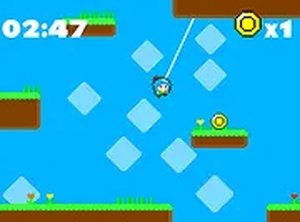
Each level in Puzzle Escape: Clever Strategy drops you into a self-contained scene built from interactive elements. Some of those elements move you toward the exit; others block the route. You use simple click or touch controls to manipulate objects, connect points, or weave through obstacles until you reach the target. The challenge is not reflexes but reading the scene correctly and choosing the right order of actions.
How Difficulty Is Structured
Puzzles start simple and gradually increase in complexity. Early levels introduce one or two interactive elements at a time, so you learn what each object does before combinations appear. Later scenes layer those elements together, which means the same object can serve different purposes depending on the level layout. Because there is no timer, you can study the board before committing to a move and plan several steps ahead without penalty.
Learning Through Retries
Mistakes are cheap here. Every attempt gives feedback, and you can retry a level as many times as needed. That design turns failure into information: a wrong sequence reveals which element behaves differently than expected, and the next attempt tests a revised theory. The game rewards experimentation rather than memorization, so you are encouraged to try unconventional solutions when a straightforward path does not work.
Who This Suits
The 2D visual style keeps every scene readable, which lowers the barrier for newcomers while still giving experienced puzzle players room to think. Single-player focus and logic-first design make it a fit for casual players who want mental engagement without action or speed pressure. If you enjoy spotting patterns, testing hypotheses, and refining a plan across multiple attempts, the structure supports that loop from the first level onward.
Editorial Notes