
Core Gameplay Loop
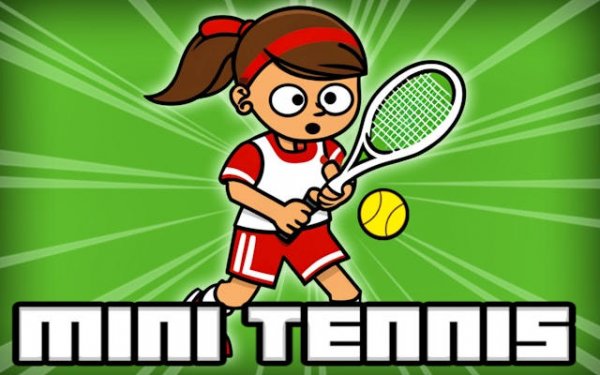
Paddle Court: Classic Tennis centers on a simple yet demanding objective: keep the ball in play. Using a single paddle, you must return the ball across the net after each bounce. Every successful return adds to your score, while a single miss ends the round. The ball gradually accelerates, forcing you to adjust your timing and paddle placement. This straightforward loop makes the game easy to start but hard to master, encouraging repeated attempts to improve your personal best.
Obstacle Integration
To keep each match fresh, the game introduces dynamic obstacles that appear on your side of the court. These objects, such as airborne bottles, must be avoided while you focus on returning the ball. Hitting an obstacle ends the rally, so you must split your attention between tracking the ball and monitoring incoming hazards. This layer of challenge prevents the gameplay from becoming repetitive and rewards players who can multitask effectively.
Scoring and Progression
The scoring system is built around rally length. The longer you keep the ball going, the higher your score climbs. There is no fixed number of rounds; each session continues until you miss a return or hit an obstacle. This design creates a natural difficulty curve, as the ball speed increases with each successful hit. A medal system tracks your performance, awarding bronze, silver, or gold based on your final score. This encourages replayability as you try to earn higher medals.
Visual and Audio Style
The game adopts a retro aesthetic with pixel art graphics and chiptune-style sound effects. The court is presented from a side view, with a clean background that keeps focus on the action. The paddle and ball are brightly colored, making them easy to track against the court. Sound cues accompany each hit and obstacle appearance, providing audio feedback that helps you anticipate the ball's trajectory.
Session Design
Paddle Court: Classic Tennis is built for flexible play sessions. A single rally can last anywhere from a few seconds to several minutes, depending on your skill. This makes the game suitable for short breaks or longer play periods. There are no lengthy menus or load times; you can jump into a new match immediately after a miss. The simple control scheme—using a mouse or touch input—ensures that anyone can pick up the game without reading instructions.



Comments
0 comments