
Core Puzzle Mechanics
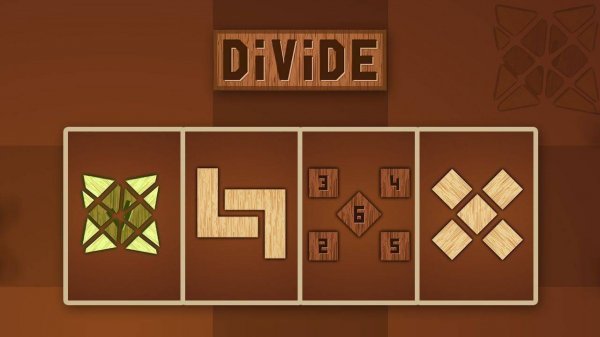
At its heart, Geometric Cut Logic Challenge revolves around a simple but deep concept: dividing a given shape into a specific number of pieces using a limited number of straight cuts. Players see a geometric figure on screen along with two numbers: the allowed cuts and the target piece count. Each cut must be a straight line drawn across the shape. After using all cuts, the game evaluates whether the shape has been split into the correct number of sections. This straightforward rule set creates a rich space for logical planning and spatial visualization.
Progressive Difficulty Curve
The puzzles begin with basic shapes like squares and triangles, requiring only one or two cuts to reach the target. As players advance, shapes become more complex, including polygons with irregular edges. The allowed cuts decrease relative to the target pieces, forcing more efficient strategies. Later levels may require four or five cuts to produce eight or more pieces, demanding foresight and careful angle selection. This gradual increase in complexity ensures that newcomers can learn the fundamentals while experienced solvers find ongoing challenges.
Visual Design and Atmosphere
The interface is intentionally minimal, with clean lines and a neutral color palette. Shapes appear in a soft outline against a plain background, with no distracting animations or decorative elements. The only on-screen information is the current shape, the cut and piece counters, and a simple retry button. This design philosophy keeps the focus entirely on the puzzle itself, reducing cognitive load and allowing players to concentrate on spatial reasoning. The lack of time pressure further contributes to a relaxed, meditative experience.
Strategic Thinking and Planning
Success in Geometric Cut Logic Challenge depends on the ability to visualize how a single straight line will split a shape before drawing it. Players must consider not only the immediate division but also how subsequent cuts will interact with the newly created sections. A cut that seems helpful early might leave awkward shapes that are hard to divide further. Effective solvers learn to plan several moves ahead, anticipating the final configuration. The game rewards patience and systematic thinking over speed or reflex.
Family-Friendly Accessibility
The game contains no violence, adult themes, or complex instructions, making it suitable for players of all ages. Children can enjoy the early levels as a fun introduction to geometry and logic, while adults will appreciate the deeper strategic layers in later puzzles. The simple touch or mouse controls require no special skills, and the absence of timers or scoring means everyone can play at their own comfortable pace. This universal design makes it a good choice for family game time or solo mental exercise.




Comments
0 comments