
Tile Mechanics and Grid Design
This puzzle game uses a classic sliding tile system. Each image is divided into a grid of square tiles, with one empty slot. Players click or tap a tile adjacent to the empty space to slide it into position. The grid size may vary, offering different levels of complexity. The goal is to move tiles one by one until the original picture is fully restored. This mechanic requires careful planning and spatial reasoning, as each move affects the arrangement of neighboring tiles.
Visual Themes and Scene Selection
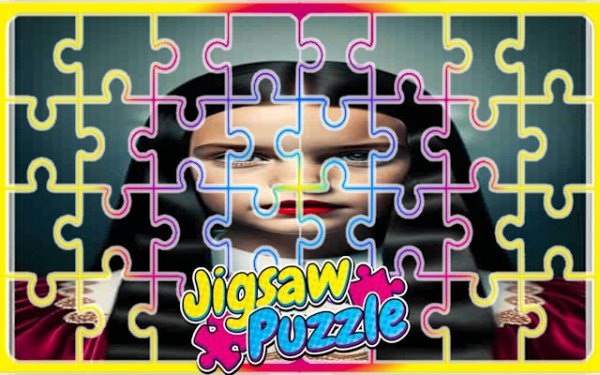
Players choose from a gallery of images depicting scenes from a well-known, slightly eerie mansion. The artwork features recognizable characters and locations in a style that is playful rather than frightening. Each scene offers a different composition, with distinct color palettes and details. This variety keeps the experience fresh and encourages players to try multiple puzzles. The visuals are designed to be engaging for both children and adults.
Difficulty Progression and Player Experience
The game may include multiple difficulty levels, likely determined by grid size or the number of tiles. Starting with smaller grids helps new players learn the sliding mechanic. Larger grids present a greater challenge, requiring more steps and strategic thinking. The experience is designed to be relaxing, with no timers or pressure. Players can take their time to study the image and plan their moves, making it suitable for casual play.
Tips for Efficient Solving
One effective strategy is to first complete the outer border of the puzzle. By placing the corner and edge tiles correctly, the inner area becomes easier to manage. Working on one row or column at a time can also build momentum. If progress stalls, stepping away for a moment can provide a fresh perspective. Regular practice helps improve visual memory and pattern recognition, making subsequent puzzles easier to solve.






Comments
0 comments